

Get Started
Graphite's supplier management tool helps you onboard faster, cut time on risk reviews and streamline supplier validations. Save time and money.
How to Optimize Your Manufacturing Procurement Process (Step-by-Step)
Manufacturing companies rely on a well-structured procurement process to keep production running smoothly. From sourcing raw materials to managing suppliers and payments, each step directly impacts cost, timelines, and product quality.
Still, many teams deal with manual workflows, limited visibility, and supplier inconsistencies. Optimizing the manufacturing procurement process helps reduce delays, control costs, and improve coordination across departments. In this guide, we break down each step and show how to improve efficiency with practical strategies and modern tools.
What Is the Manufacturing Procurement Process?
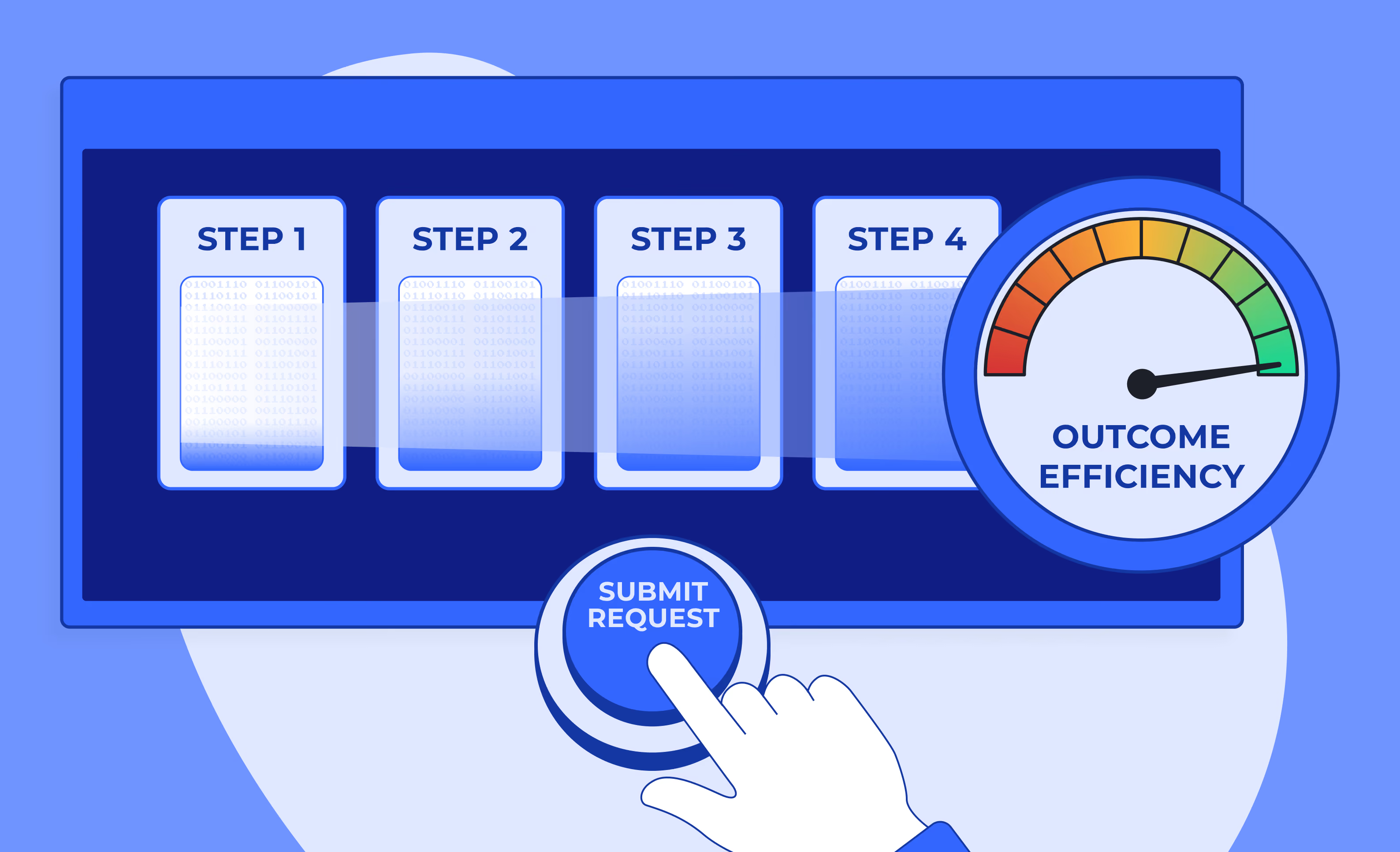
The manufacturing procurement process is the sequence of activities involved in sourcing, purchasing, and managing the materials required for production. It typically includes identifying needs, selecting suppliers, negotiating contracts, issuing purchase orders, receiving goods, and completing payments.
Unlike general procurement, manufacturing procurement must align closely with production schedules and inventory levels. Even small delays or miscalculations can disrupt operations and increase costs. This makes coordination between procurement, operations, and finance essential.
Understanding each stage of the process is the first step toward improving it. With a clear foundation in place, we can now walk through the process step by step.
Step-by-Step Manufacturing Procurement Process
Step 1: Identify Material and Production Needs
The process begins with understanding what materials are required and when. Procurement teams work closely with production planners to forecast demand and determine quantities. Accurate planning ensures materials are available without overstocking.
Step 2: Source and Evaluate Suppliers
Once needs are defined, the next step is identifying potential suppliers. This involves evaluating vendors based on cost, reliability, quality standards, and compliance. Strong supplier selection reduces risk and improves long-term performance.
Step 3: Request Quotes and Negotiate Contracts
Procurement teams issue requests for quotes to shortlisted suppliers. After comparing pricing and terms, they negotiate contracts that balance cost with reliability and service levels. Clear agreements help prevent misunderstandings later.
Step 4: Create and Approve Purchase Orders
After finalizing supplier terms, purchase orders are created and routed for approval. Efficient approval workflows are critical to avoid delays that could impact production timelines.
Step 5: Receive Goods and Verify Quality
When materials arrive, teams inspect them to ensure they meet quality standards and match order specifications. Any inconsistencies are addressed quickly at this stage to avoid production disruptions.
Step 6: Invoice Matching and Payment
The final step involves matching invoices with purchase orders and delivery records. Once verified, payments are processed as per the agreed terms. Accurate matching helps prevent overpayments and disputes.
Each of these steps contributes to overall efficiency. However, many manufacturers encounter challenges that prevent the process from running smoothly.
Key Challenges in the Manufacturing Procurement Process
Even well-defined procurement workflows can break down without the right systems and coordination. Manufacturing environments are complex, and small inefficiencies can quickly scale into larger issues. Addressing these challenges is essential for improving performance and reliability.
- Supplier delays: Late deliveries can disrupt production schedules and lead to missed deadlines. This often results from poor communication or a lack of supplier visibility.
- Manual processes: Relying on spreadsheets and emails slows down approvals and increases the risk of errors. It also makes tracking procurement activities difficult.
- Limited visibility: Without real-time data, teams struggle to track orders, supplier performance, and spend. This leads to reactive decision-making.
- Inconsistent data: Fragmented systems create discrepancies in supplier and order information. This can cause confusion and delays across teams.
Poor coordination: Lack of alignment between procurement, production, and finance leads to inefficiencies and miscommunication.
Recognizing these challenges highlights where improvements are needed. The next step is identifying strategies to optimize the process.
How to Optimize Your Manufacturing Procurement Process
Improving procurement requires a combination of better workflows, stronger supplier management, and the right technology. Small changes across each stage can create significant gains in efficiency and cost control.
Automate Procurement Workflows
Automation reduces manual effort and speeds up approvals, purchase orders, and invoice processing. This helps teams focus on strategic tasks instead of repetitive work.
Centralize Supplier Data
A single source of truth for supplier information improves visibility and reduces errors. It also makes onboarding and compliance tracking more efficient.
Strengthen Supplier Relationships
Consistent communication and performance tracking help build reliable partnerships. Strong relationships lead to better pricing, faster response times, and fewer disruptions.
Improve Demand Forecasting
Aligning procurement with accurate demand forecasts ensures materials are available when needed. This reduces both excess inventory and stockouts.
Use Data for Better Decision-Making
Access to real-time insights allows teams to identify trends, control costs, and evaluate supplier performance more effectively.
While these strategies can significantly improve outcomes, they are much easier to implement with the right tools in place.
Tools That Help Streamline the Manufacturing Procurement Process
Modern procurement tools help manufacturers move away from fragmented systems and manual workflows. By centralizing data and automating tasks, these platforms improve efficiency and provide better control over sourcing activities. They also enable teams to collaborate more effectively with suppliers and internal stakeholders. When evaluating tools, focus on features that support your specific procurement needs and integrate with existing systems.
With the right technology in place, manufacturers can build a more efficient and scalable procurement function. To sustain these improvements, it is important to follow best practices over the long term.
- Workflow automation: Automates approvals, purchase orders, and invoicing to reduce delays and manual errors.
- Supplier management: Centralizes supplier data, onboarding, and communication for better visibility and coordination.
- Real-time analytics: Provides insights into spend, supplier performance, and procurement trends.
- ERP integration: Ensures seamless data flow between procurement, finance, and inventory systems.
Collaboration tools: Improves communication between teams and suppliers to prevent misunderstandings and delays.
Best Practices for Long-Term Procurement Efficiency
Optimizing procurement is not a one-time effort. It requires ongoing evaluation, consistent processes, and a focus on continuous improvement. By adopting best practices, manufacturers can maintain efficiency and adapt to changing business needs.
By combining these best practices with the right strategies and tools, procurement becomes a more reliable and efficient function. This sets the stage for stronger operations and better business outcomes.
- Standardize processes: Create consistent workflows for sourcing, approvals, and payments to reduce variability and errors.
- Monitor key metrics: Track KPIs such as lead times, supplier performance, and cost savings to identify areas for improvement.
- Evaluate suppliers regularly: Assess supplier reliability and performance to ensure they continue to meet expectations.
- Invest in scalable systems: Choose tools that can grow with your business and support increasing complexity.
Train internal teams: Ensure employees understand procurement processes and tools to maximize efficiency.
Streamline Your Manufacturing Procurement with Graphite Connect
If your procurement process still relies on disconnected systems and manual work, it may be time for a better approach. Graphite Connect helps manufacturing teams centralize supplier data, automate workflows, and improve collaboration across the supply chain. With greater visibility and control, you can reduce delays, strengthen supplier relationships, and make more informed decisions. Instead of reacting to issues, your team can stay ahead of them.
Get a Demo to find out how Graphite Connect fits into your procurement process and take the next step toward a more efficient and scalable operation.