

Get Started
Graphite's supplier management tool helps you onboard faster, cut time on risk reviews and streamline supplier validations. Save time and money.
How to Compare Vendor Management Systems Beyond Price
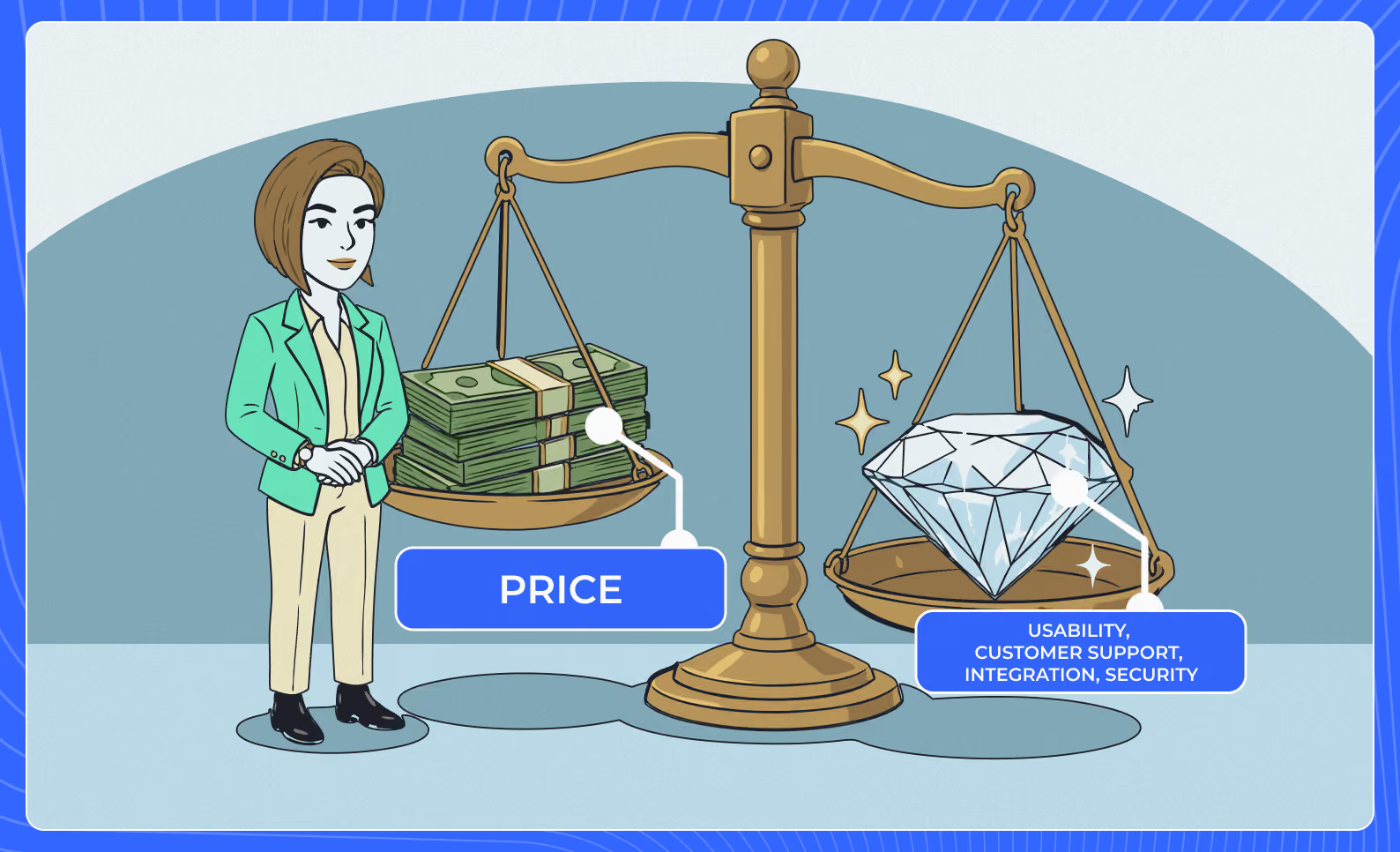
The right vendor management system can shape how your team works with suppliers, manages risk, and meets company requirements. It’s a key tool in procurement: one that brings supplier data, onboarding, communication, and compliance into one shared platform. You might be tempted to compare platforms by price alone, but that leaves out the features that keep your team productive and your vendor relationships strong.
In this vendor management systems comparison guide, you’ll see what separates leading systems in 2025. We’ll look at the features that make them valuable, the hidden costs you should watch for, and the common mistakes teams make when choosing one.
Key Factors to Consider in a Vendor Management Systems Comparison
When comparing vendor management systems, it's easy to get lost in technical features or marketing terms. But what really matters is how the platform fits into your daily operations. A strong system should support your team, keep supplier data current, reduce risk, and make collaboration easier, not harder. Below are five key areas that can help you see where the real value lies.
Ease of Use for Both Teams and Suppliers
A vendor management system shouldn’t require hours of training to use. If your internal team struggles to complete tasks or suppliers can’t figure out how to update their profiles, the system ends up slowing everyone down. Look for platforms with clean interfaces, clear instructions, and a fast learning curve on both sides. The easier it is to use, the faster you’ll see adoption and results.
Risk and Compliance Management Capabilities
Keeping up with risk and compliance demands means your vendor management system needs built-in tools that go beyond certificate storage. It should track expirations, flag potential issues, and connect to third-party databases for real-time validation. When those tools are in place, you can act on risks before they become problems and stay audit-ready without extra spreadsheets.
Supplier Onboarding and Data Accuracy
Vendor data only helps if it’s accurate from the start. A sound system will guide suppliers through onboarding with clear prompts, field validation, and built-in error checks. That reduces back-and-forth, keeps your records clean, and gives you a single source of information for every vendor you work with.
Integration With Existing Procurement and ERP Tools
If your vendor management system doesn’t connect with the tools you already use, it creates silos and manual work. Look for platforms that offer out-of-the-box integrations or flexible APIs that let you sync data across procurement, finance, and ERP systems. When everything works together, your team spends less time re-entering information and more time managing supplier relationships.
Reporting and Analytics for Smarter Decisions
Without clear reporting tools, it’s hard to know how well your vendor relationships are working. A solid vendor management system gives you real-time visibility into onboarding status, compliance gaps, and supplier performance. With that data in hand, you can spot bottlenecks, track improvements, and make decisions that support company goals.
Common Pitfalls When Comparing Vendor Management Systems
Some platforms look appealing at first glance because of their price or interface, but those details don’t always reflect how well the system works day to day. Here are some common mistakes companies make when comparing vendor management systems, and how to avoid them.
How Leading Vendor Management Systems Stack Up in 2025
Once you’ve narrowed down what to look for, the next step is to see how top vendor management systems compare. Below, you’ll get a closer look at five major players and how they hold up in 2025.
Graphite Connect
Graphite Connect takes a network-based approach to vendor management by letting suppliers create a single profile they can share with multiple buyers. This cuts down on repeated data entry, speeds up onboarding, and keeps information accurate across all connected parties. For procurement teams, this means less time chasing updates and more time spent building vendor relationships.
What sets Graphite apart is its built-in risk monitoring, third-party validation, and real-time collaboration tools. You can track compliance, request updates, and communicate with suppliers without relying on outside tools or endless email threads. With strong integration options and a clean user interface, Graphite Connect supports smoother workflows across procurement, risk, and finance teams.
SAP Ariba
SAP Ariba offers a wide range of tools that cover sourcing, contracting, vendor onboarding, and supplier performance tracking. It connects buyers to an extensive global network and gives procurement teams access to shared supplier data and documentation. For companies already using SAP, Ariba can fit into existing workflows and extend their procurement capabilities.
That reach can come with trade-offs. The system can be complex to learn, especially for new users or suppliers unfamiliar with SAP’s structure. Setup often takes extra time, and making changes may require technical support or help from SAP consultants.
Coupa
Coupa is built to support spend visibility and control. It brings together procurement, invoicing, and supplier management in one platform. For companies looking to track spending across departments and drive savings, Coupa offers detailed analytics and approval workflows.
However, the platform’s strength in spend management sometimes means supplier onboarding and relationship tools feel less flexible. Some teams report that supplier-facing features are harder to customize, which can lead to delays or manual workarounds. It’s a strong option for finance-driven teams, but it may require trade-offs in supplier engagement.
Ivalua
Ivalua is a flexible platform that supports sourcing, contract management, supplier data, and spend analysis in one place. Its strength lies in configurability: you can tailor workflows, forms, and dashboards to fit how your team works. This makes it a good fit for organizations with complicated approval structures.
That flexibility, though, can make setup and rollout more involved. Ivalua often needs close coordination with IT or implementation partners to get everything running smoothly. Once in place, it can handle a wide range of procurement needs, but getting there takes planning and time.
Jaggaer
Jaggaer focuses on end-to-end procurement, with tools for spend analysis, supplier management, sourcing, and contract lifecycle tracking. It’s often used in industries with strict compliance needs, such as higher education, healthcare, and manufacturing. The platform includes templates, workflow automation, and reporting features that support large purchasing teams.
While Jaggaer covers many areas, some users find that the interface feels dated and takes time to learn. Suppliers may also need help navigating the system during onboarding. It performs well once set up, but teams should expect a longer adoption curve compared to more modern platforms.
Ready to see how Graphite Connect delivers value beyond cost savings?
If you're comparing vendor management systems, it’s worth asking how each one helps your team save time, reduce errors, and build stronger supplier relationships. Price plays a role, but real value comes from features that support your work and grow with your needs.
Graphite Connect was built with that goal in mind. By offering a shared supplier network, built-in risk checks, and smart collaboration tools, we help you manage vendors faster and more effectively. If you’re ready to see how our platform works, request a demo today.