

Get Started
Graphite's supplier management tool helps you onboard faster, cut time on risk reviews and streamline supplier validations. Save time and money.
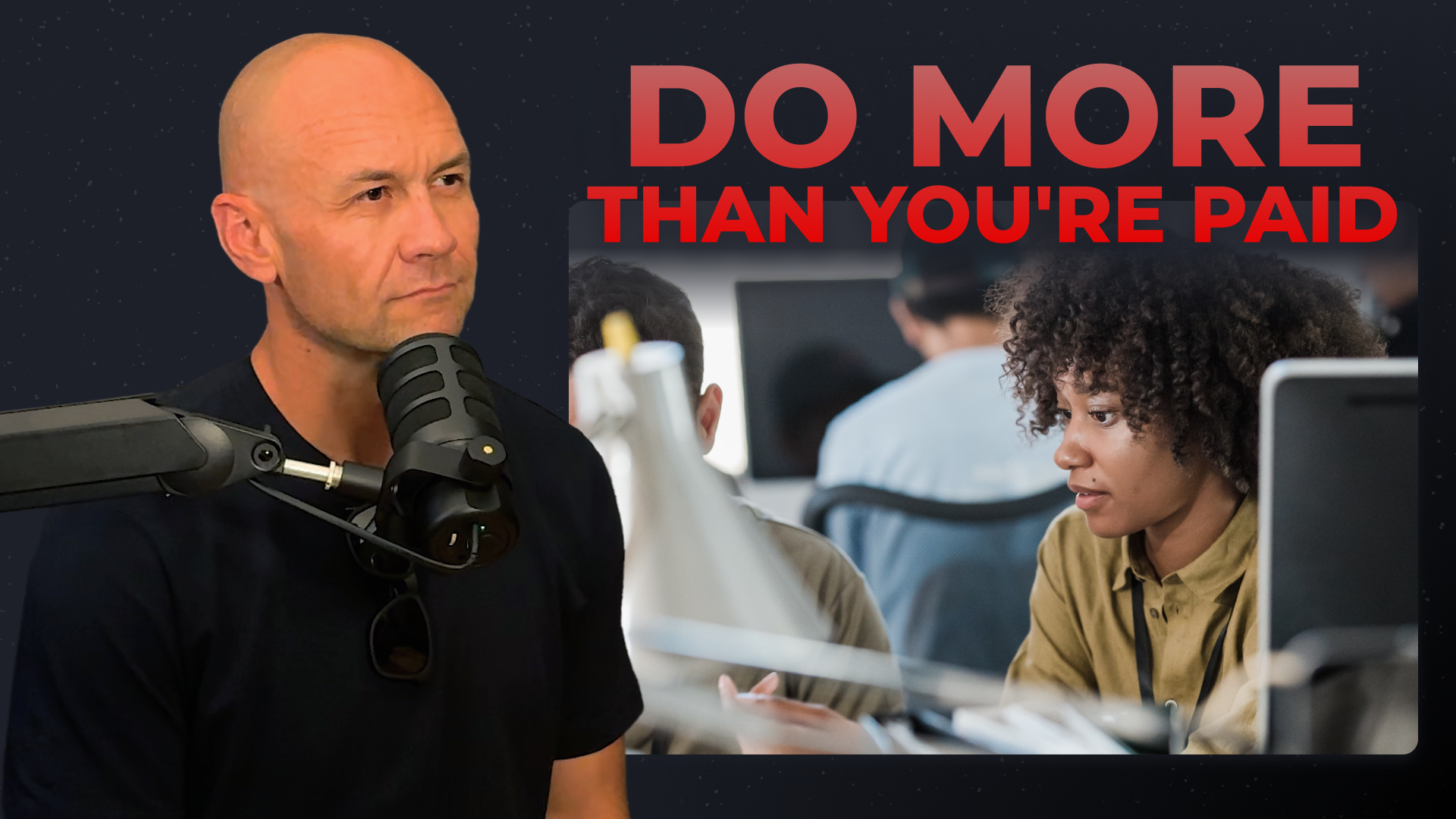
Mastering Career Pivots and Emotional Intelligence with Adam Lancaster
In this week's Proc and Roll, Conrad sits down with his former Adobe colleague, Adam Lancaster, to unpack what it takes to genuinely build a world-class career and lead high-performing teams. Adam shares his unexpected journey from navigating the high-pressure environments of Intel and Adobe to pivoting out of corporate procurement and becoming the number two real estate agent in North America for his brokerage.
Whether you are looking to climb the enterprise ladder or pivot your career entirely, Adam’s insights provide a blueprint for elevating your expectations and becoming "worthy of the fee".
Surviving the Unexpected
Before diving into corporate strategy, Adam shares a harrowing story of rapid decision-making: defending his father from a mountain lion attack in Adams Canyon, Wyoming. Having to grab a lever-action rifle and shoot a pouncing cat in a matter of seconds is the ultimate test in pressure navigation. While your daily procurement challenges hopefully lack actual predators, the ability to keep your head clear when a crisis lands right in front of you is a universal career necessity.
The 3 Pillars of a Rock Star Hire
When building his teams at Adobe, Adam hired dozens of procurement professionals by relentlessly evaluating candidates against three specific skill sets:
- Emotional Intelligence (EQ): A top-tier hire must be able to read a room and respond accordingly. Adam actively looked for professionals who possessed the foresight to lose a minor battle if it meant winning the overall war.
- Data Analytics: Borrowing a mantra from his days at Intel—"In God we trust, all others bring data"—Adam required his team to find the truth in the numbers. He even tested this live in interviews by handing candidates raw usage data to see if they could instantly spot the underlying story.
- Critical Thinking: To test adaptability, Adam would throw candidates into sudden role-play scenarios. He would tell them a VP just rejected their bulletproof, eight-month project, testing how quickly they could navigate a frustrating situation they weren't prepared for.
Leadership vs. Management
The episode draws a sharp line between managing and leading. Management is about operating, discipline, and execution. Leadership, however, is about bringing change and driving a vision. For Adam, true leadership demands raw transparency and a willingness to have incredibly difficult conversations with your team about their performance gaps. A leader’s ultimate goal is not self-promotion, but actively working to make the people around them two times better—even if that means mentoring them for an opportunity outside the company.
The Power of Uncomfortable Affirmations
Adam attributes a massive part of his career success to completely rewiring his own boundaries. After scoffing at a business book's advice on mindset, he decided to test it anyway. He began writing five wildly uncomfortable affirmations 25 times every single morning in the present tense.
The rule was simple: if the goal wasn't wildly uncomfortable, it wasn't big enough. Within three weeks, he noticed his daily decisions fundamentally shifting to support those massive goals, and within six months, he hit his "uncomfortable" income target.
The boogeymen stopping you from taking the next big leap in your career aren't real. It is entirely a decision you make.
Transcript: Proc-N-Roll | Mastering Career Pivots and Emotional Intelligence with Adam Lancaster
Conrad: Hello, everybody, and welcome back to Proc and Roll, your guide to practical procurement. Today I'm coming to you live from our studios here in Lehigh, Utah, with one of my good friends, Mr. Adam Lancaster. We're gonna talk about a number of topics, but you'll see us coming back to leadership. Let's just start with the mountain lion.
Adam: My dad and I were hunting in Wyoming in a canyon called Adams Canyon. We took our time field dressing the deer, and then I grabbed the last two bags of meat and started heading back toward the horses. I had rested my two rifles there... and I probably only got four or five steps and my dad screams my name. I turn around and I see the first thought I had, which was crazy, is why is a yellow lab this far up in the woods?
Conrad: Right, they're cats and they hunt from the back.
Adam: My dad kept the attention of the cat, and he stepped over the deer carcass thinking he was going to surrender it. But right then... he was wearing spurs and his spurs got caught in a sagebrush and he fell on his back. By the time I got to the guns, I grabbed my John Wayne open sights lever action. The cat's head is right above his waist, and he was yelling some choice words for what he wanted me to do with the cat. Anyway, I shot the cat through the vitals area off the top of him and it took maybe two steps, two bounces away and toppled up. All of that takes place in the course of like five seconds.
Conrad: You found your way into procurement to learn negotiation, and you ended up staying at Adobe for over six years. I'd love to get your perspective from a leadership perspective. I know you hired 20 to 30 people when you were at Adobe.
Adam: We got it pretty refined toward the end where I felt like I was analyzing a person based on three skill sets. Number one was EQ. I just wanted somebody to be able to read a room well and respond well to it. I was okay with losing battles to win wars. Second was I really need you to have a decent data analytical chops. Intel had a saying: "In God we trust, all others bring data". I actually handed them a simple set of two columns of data in the interview to see how good they were at Excel and if they could find that really simple story. Third, just critical thinking. I would put them into role-playing situations really quickly without them knowing, telling them a VP just rejected their bulletproof recommendation, and I wanted to know how quickly they could navigate a situation they weren't ready for.
Conrad: What does leadership mean to you? How do you balance the relationship side with the task and the results side?
Adam: I genuinely think it's just offering yourself to help as many people as possible for as long as possible, as deep as possible. And that means you gotta have your own stuff together, usually, and then that you're willing to get your fingers dirty and have those really hard conversations. In order for the organization to get better, it can't happen with one. I can 2X myself, I can't 10X myself. You are best self-served by making them 2X better than themselves. It isn't about you anymore.
Conrad: Where do you draw the line between management and leadership?
Adam: To me, management is operating. The core of management is sort of discipline and execution. I usually think a leader brings about change. As a leader, I see a vision and it's my job to figure out what does it take to get to that vision. I tell a lot of people in my world, become worthy of being hired. If you become really, really good at your job, you will naturally become a leader.
Conrad: To the really up and coming generation of enterprise leaders, is there still hope?
Adam: A year and a half ago I read a book... it told me to come up with five affirmations that were wildly uncomfortable and to write them down 25 times every morning when I got to work. I wrote them in present tense: I enjoy being a really faithful and dedicated husband, I enjoy being a loving father, I enjoy having eight percent body fat. I wrote down a really uncomfortable monthly income number, and the book said that if it's not wildly uncomfortable, it's not big enough. I scoffed at it for maybe two weeks. And then at week three... my decisions during my day started to change. Within six months probably, I was making that monthly income. Your own mindset is what's limiting you, so start changing your behavior and go make it happen.
Conrad: What would you tell procurement people that's the wrap up for all this?
Adam: There are these boogeymen that we all have in our lives that stop us from doing really great things. The great thing about the boogeyman is he's not real. So go change what's going on in your life that you're not satisfied with and go find that life. It's a decision you can make.
Conrad: Adam, it has been so good to talk to you again. We'll have to drag up some Adam singing some amazing song over at BYU in your days. Thanks everybody for joining us again today for another great episode of Proc and Roll. Don't forget to like, comment, and share.
This transcript has been edited for clarity while maintaining all substantive content