Get Started
Graphite's supplier management tool helps you onboard faster, cut time on risk reviews and streamline supplier validations. Save time and money.
October 2 2025
Best Supplier Portal Software to Streamline Your Procurement Workflow in 2025
Procurement teams today need faster onboarding capability, fewer manual tasks, and better communication with vendors. The best supplier portal software gives you a centralized space to manage documents, track compliance, exchange data, and keep suppliers informed, all in real time. It replaces long email threads and scattered spreadsheets with tools that reduce delays and errors.
In this guide, you’ll learn what makes a supplier portal valuable in 2025 and how to compare top platforms. We’ll cover key features and current options so you can find the best fit for your team’s daily workflow.
What Is Supplier Portal Software?
Supplier portal software gives vendors a secure, shared platform to work directly with your procurement team. It allows suppliers to upload documents, respond to onboarding requests, update their business information, and track their compliance status. On your side, it keeps records accurate, stores communications in one place, and reduces the need for manual follow-up.
These systems also create consistency. Instead of sending spreadsheets or piecing together vendor details from email threads, your team can manage everything through one interface. That improves visibility, speeds up approvals, and helps both sides stay on the same page throughout the supplier lifecycle.
Why Supplier Portals Are Critical in 2025
Procurement teams in 2025 manage more suppliers, face stricter compliance rules, and handle faster timelines than ever before. Without a supplier portal, these demands can lead to delays, miscommunication, or incomplete records. A centralized system helps you stay on track by making collaboration easier, automating routine tasks, and giving both sides clear visibility into what’s needed and what’s next.
Key Features of the Best Supplier Portal Software
- Self-Service Supplier Onboarding: The best platforms let vendors complete onboarding tasks themselves through guided forms and automated checks. Automation can drastically reduce onboarding time.
- Automated Document Management: Strong platforms support the collection and storage of key documents such as tax forms, W-9s, insurance certificates, and ESG reports. Built-in expiration alerts help you avoid using outdated files and reduce compliance risk.
- Real-Time Compliance Monitoring: Top software checks supplier information against third-party databases like OFAC or LexisNexis to flag risks early. It also monitors changes in business status, licensing, and sanctions in real time. This helps your team act quickly when something changes.
- Two-Way Communication Tools: Instead of relying on email chains, these platforms have built-in messaging that keeps all vendor interactions in one place. This shortens response times and helps both sides stay current.
- ERP and Procurement Integration: Leading supplier portals connect directly with systems like SAP, Oracle, NetSuite, or Coupa. This reduces duplicate data entry, keeps vendor records consistent, and allows your procurement and finance teams to work from a shared set of information.
- Multi-Tier Supplier Support: These platforms log document history and supplier engagement automatically, giving you dashboards and trails that support regulatory audits.
- Supplier Scorecards and Feedback: Features like performance tracking and feedback help you measure vendor effectiveness over time. McKinsey notes that procurement leaders using analytics tools achieve up to 40% more savings and cut value leakage nearly in half.
7 Top Supplier Portal Software Options in 2025
With dozens of platforms available, comparing how today’s top supplier portal software options support real procurement workflows is helpful. Let’s take a closer look at eight platforms that stand out in 2025.
Graphite Connect
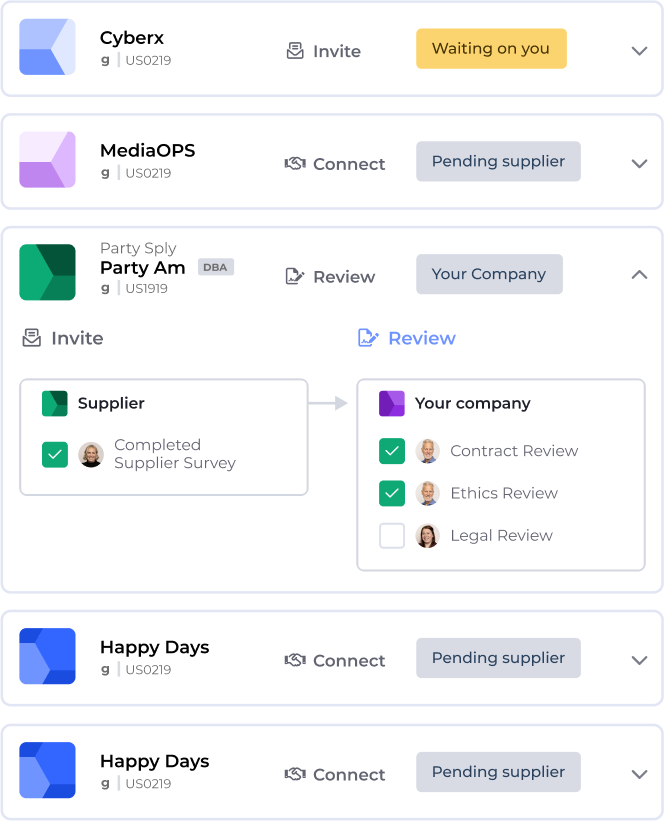
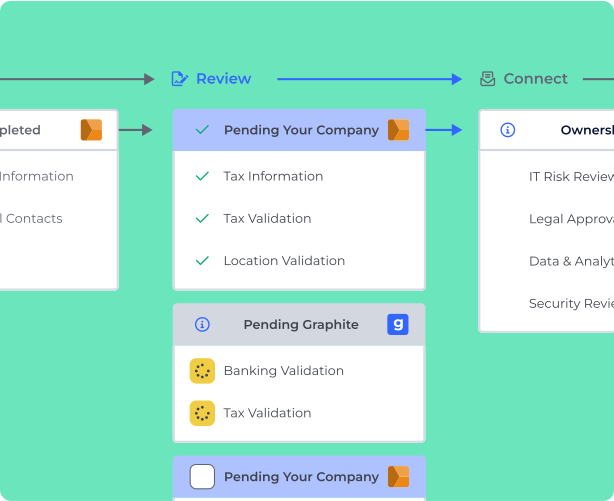
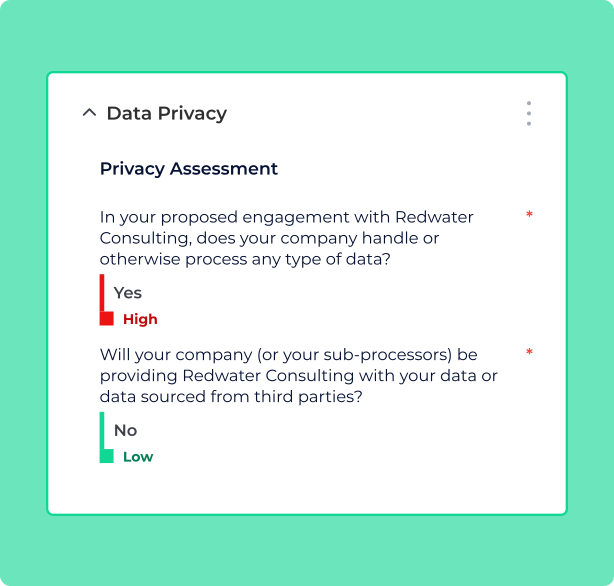
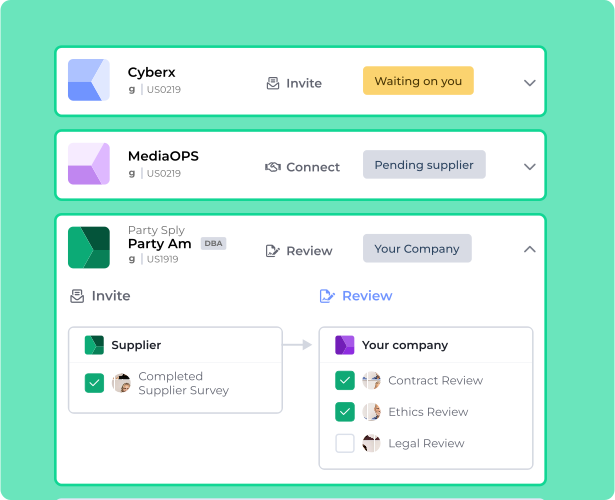
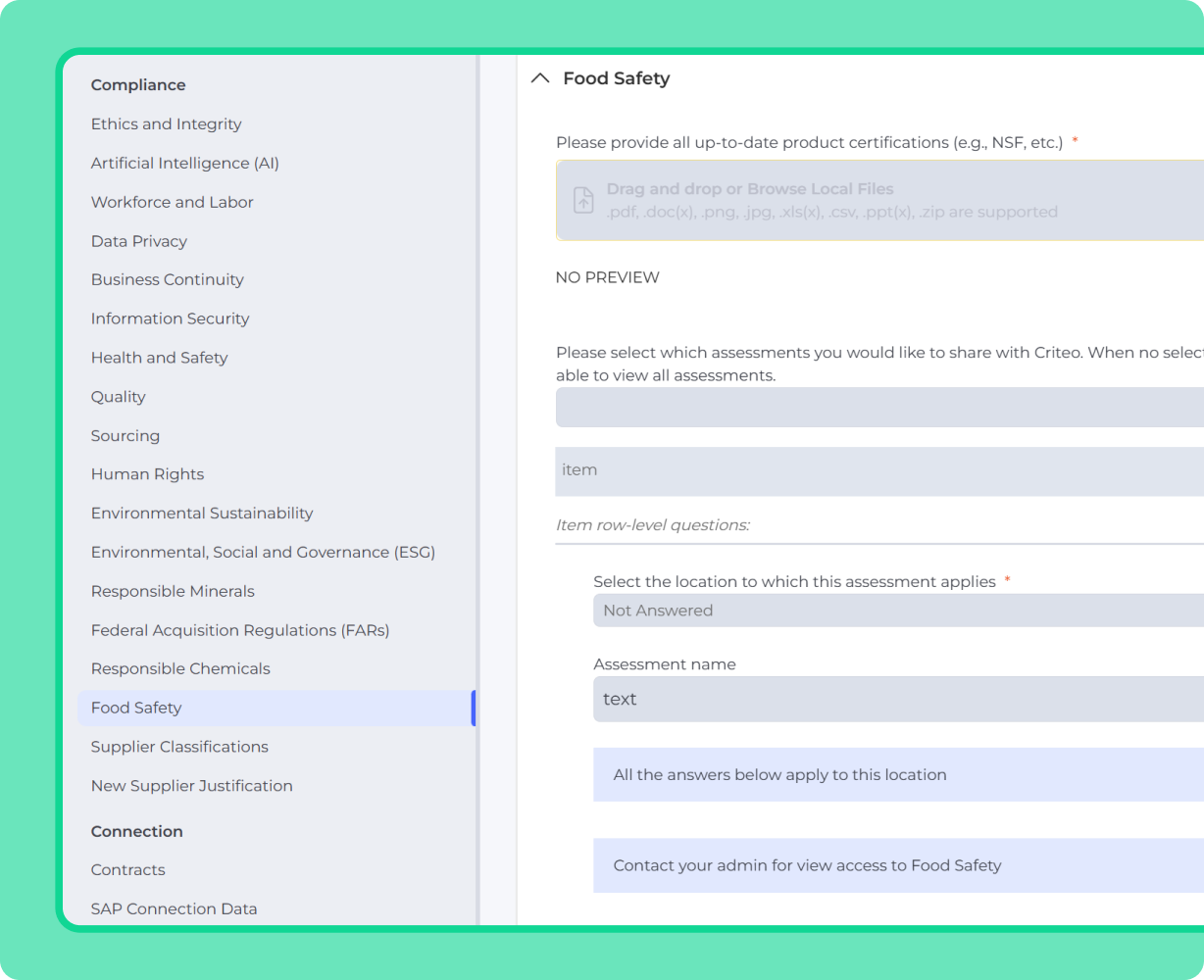
Graphite Connect simplifies vendor management through a shared supplier network. Suppliers create a single profile that they can share with multiple customers, which reduces duplicate data entry and keeps records accurate across the board. Procurement teams gain access to verified information without chasing updates, and onboarding moves faster with built-in validation and automated workflows.
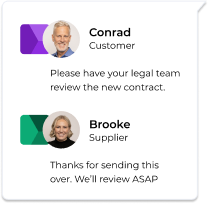
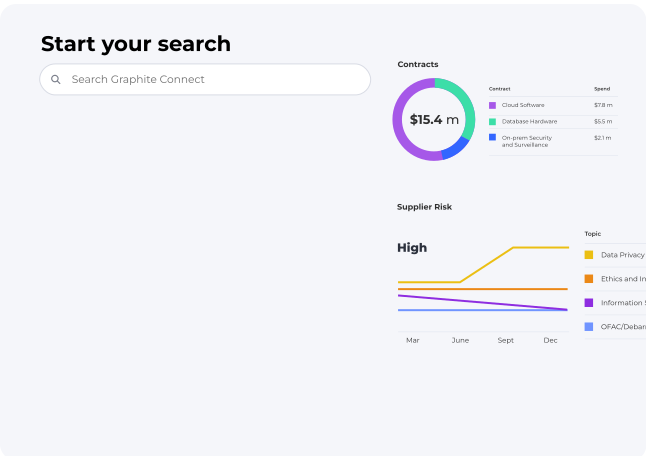
The platform also includes tools for risk screening, document management, and real-time messaging. You can request updates, track compliance, and collaborate directly in the system, without switching between emails and spreadsheets. With native integrations to major ERP systems and an intuitive interface, Graphite Connect helps you reduce friction while improving supplier engagement.
SAP Ariba
SAP Ariba is built for large enterprises that need end-to-end procurement tools, including supplier onboarding, sourcing, contracts, and invoicing. It connects buyers to an extensive global network of vendors and supports document exchange, compliance tracking, and order visibility in one system. For organizations already using SAP, Ariba offers tight integration across finance and procurement workflows.
That depth comes with trade-offs. New users often face a steep learning curve, and onboarding suppliers can take longer due to system complexity. Customization usually requires IT support or third-party consultants, which may slow rollout timelines. While SAP Ariba offers a broad feature set, teams should prepare for extra time and resources during setup.
Coupa
Coupa offers a cloud-based platform that brings together spend management, supplier collaboration, and procurement automation. It includes tools for vendor onboarding, risk tracking, and performance management, along with strong reporting features. For finance-driven teams, Coupa helps link supplier activity to budget controls and payment approvals.
That focus on spend control can leave supplier engagement tools feeling less flexible. Some users report that vendor-side features are harder to customize, which may lead to added manual steps or communication outside the system. Coupa works well for companies that prioritize cost visibility, but it may require trade-offs in user experience during onboarding.
Jaggaer
Jaggaer supports supplier management, sourcing, and contract oversight through a single procurement platform. It’s often used in regulated industries like healthcare, education, and manufacturing, where documentation and compliance tracking are critical. The system includes supplier onboarding tools, audit trails, and workflow automation that help large teams stay organized.
While Jaggaer offers broad functionality, users often mention that the interface feels outdated and harder to use without training. Suppliers may need assistance getting started, especially if they’re unfamiliar with the platform. It’s a strong fit for companies with strict process requirements, but onboarding and daily use can take extra time to get right.
GEP SMART
GEP SMART is a unified procurement platform that includes supplier onboarding, sourcing, contract management, and spend analysis. It’s cloud-native and built with AI tools that help automate data validation, flag missing information, and track supplier risk over time. The platform supports collaboration across departments and offers mobile access for teams that need flexibility.
Some users report that the system can feel too broad, especially when trying to implement several modules at once. Rollout often requires coordination across IT, finance, and procurement teams to ensure adoption. GEP SMART is ideal for companies looking to centralize procurement activity, but it may take time to configure the platform to your internal needs.
Ivalua
Ivalua gives procurement teams a high level of control over how they manage supplier data, onboarding, and compliance. The platform is highly configurable, allowing you to tailor workflows, forms, and dashboards to your internal structure. It also supports deep data tracking, which helps teams monitor supplier performance, risks, and required documentation in one place.
That level of customization often means setup takes longer. Implementing Ivalua usually involves coordination with IT or external partners to get everything configured properly. It’s a strong option for organizations with detailed procurement structures, but teams should plan for a longer rollout.
HICX
HICX is built to help large organizations improve supplier data quality across multiple systems. It focuses on creating a single source of truth by linking supplier information across ERP, procurement, and finance tools. The platform supports onboarding, data validation, and ongoing updates through a supplier-facing portal that’s easy to use.
Where HICX stands out is its emphasis on supplier experience. Vendors can complete tasks, respond to requests, and manage documents without needing help from support teams. While it’s not a full procurement suite, HICX works well as a dedicated supplier data platform, especially for companies managing large, distributed vendor networks.
Unlock Procurement Efficiency with Graphite
The best supplier portal software gives your team a shared system that keeps vendor information current, tracks compliance, and reduces delays across departments. Graphite Connect helps you get there with fewer manual steps and a better experience for both sides.By giving suppliers a reusable profile, Graphite speeds up onboarding and keeps vendor data accurate without extra follow-up. You get built-in risk checks, messaging tools, and ERP integrations, all in one platform built for procurement teams that want to work faster. See how it works by scheduling a demo today.